

When Pain Becomes a Constant Background Noise
Chronic pain can slowly shape how each day unfolds. Movements that once felt natural may now require planning, pacing, or recovery time. Many people with chronic pain in Pitt Meadows, BC seek support because they want to regain confidence in their daily routines. Tasks like working, exercising, or spending time with family may still be possible, but they often take more effort than expected.
Pain may linger long after an injury, appear without a clear pattern, or shift from one area to another. Over time, this can affect sleep, focus, mood, and participation in everyday life. At MeadowLife Physiotherapy and Active Rehab Center, the team recognises that chronic pain affects the whole person, not just one body part, and care must reflect that complexity.
Why Addressing Ongoing Pain Supports Daily Life
Chronic pain often develops when the body and nervous system become more sensitive over time. Past injuries, repeated strain, stress, or changes in activity levels can all contribute. While pain may feel unpredictable, the body still has the ability to adapt and build tolerance with the right approach.
Common contributors to chronic pain include:
- Previous injuries or surgeries
- Ongoing muscle tension or guarding
- Reduced strength or movement variety
- Fluctuating activity levels
- Nervous system sensitivity
- Long periods of inactivity or overexertion
Timely care focuses on improving function and confidence with movement, helping people participate more fully in daily life without relying on fear or avoidance.
Approaches That Build Capacity and Confidence Over Time
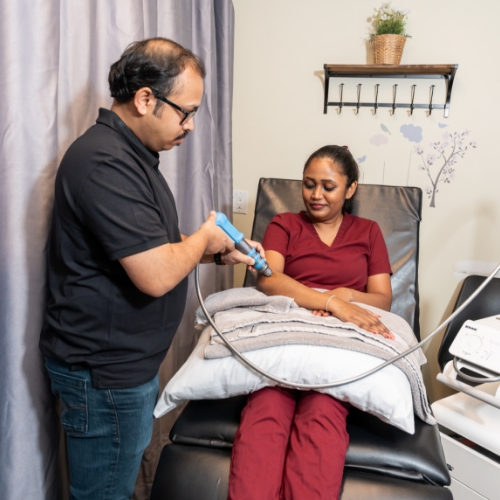
Physiotherapy at MeadowLife Physiotherapy and Active Rehab Center focuses on helping people expand what their bodies can tolerate, even when pain has been present for an extended period. Care remains one-on-one and progresses at a pace that respects individual experience.
Approaches commonly used include:
- Functional movement assessment, which looks at how pain affects daily tasks and guides realistic progression
- Graded exercise and pacing strategies, which help build strength and endurance without overwhelming the system
- Hands-on physiotherapy techniques, which support comfort and reduce protective muscle tension
- Movement education, which helps people better understand pain and respond to it with confidence
- Nervous system regulation strategies, which support improved tolerance to activity
- Goal-focused retraining, which helps people return to meaningful activities gradually
Each approach supports long-term function rather than short-term symptom change alone.
Common Experiences Associated With Chronic Pain
Chronic pain can look different for each person. Common symptoms include:
- Pain that lasts longer than expected
- Stiffness or soreness across multiple areas
- Fatigue during normal daily tasks
- Heightened sensitivity to movement
- Fluctuating pain levels throughout the day
- Difficulty maintaining consistent routines
- Changes in sleep or energy
- Reduced confidence with physical activity
Understanding these experiences helps guide a supportive care plan.
Whole-Person Support for Persistent Pain and Daily Function
Chronic pain often continues even when tissues have healed or when no single structure explains the symptoms. Over time, the nervous system, muscles, and movement patterns can become protective, making activity feel harder and less predictable. At MeadowLife Physiotherapy and Active Rehab Center, care focuses on improving how the body responds to movement, stress, and daily demands so pain no longer controls participation in everyday life.
Physiotherapy forms the foundation of chronic pain care by addressing movement patterns, physical conditioning, and nervous system sensitivity. Treatment focuses on restoring movement options, improving strength and tolerance, and helping patients re-engage with activity in a gradual, supported way. Education plays a central role, helping patients understand pain responses and build confidence with movement.
Registered massage therapy supports chronic pain care by addressing sustained muscle tension that often develops with prolonged discomfort or guarding. Reducing this tension can improve comfort, support relaxation, and make movement and exercise feel more accessible during recovery.
Acupuncture may be used to support pain modulation and nervous system regulation, particularly for individuals experiencing widespread discomfort or heightened sensitivity. This approach can help calm symptoms and improve tolerance for daily activity and rehabilitation.
Kinesiology and active rehabilitation help reinforce progress by building endurance, strength, and consistency with movement. These sessions focus on translating physiotherapy strategies into daily routines, exercise habits, and functional tasks, supporting long-term self-management and confidence.
Together, these services support a more adaptable, resilient approach to living with chronic pain.
Common Questions About Chronic Pain Care
Why does pain sometimes continue even after tissues have healed?
Can progress happen without pushing through pain?
How does treatment stay personalized over time?
Care Shaped by Time, Understanding, and Individual Goals
At MeadowLife Physiotherapy and Active Rehab Center, chronic pain care prioritises listening and collaboration. Appointments allow time for assessment, treatment, and conversation in one visit. Physiotherapists explain findings clearly so patients understand how pain works and how movement can support change.
People in Pitt Meadows, BC often value the clinic’s longer appointments, steady one-on-one care, and supportive environment. Treatment reflects current best practice and focuses on maintaining independence, improving quality of life, and supporting confidence with daily movement.
Creating a More Reliable Way Forward
Your Next Steps…
- Request An Appointment
- Receive A Custom Treatment Plan
- Work Hard and Progress In Your Recovery
- Recover & Enjoy Life Pain-Free