

Regaining Steady Ground With Dizziness and Vertigo Care
People experiencing dizziness and vertigo in Pitt Meadows, BC often describe a sudden loss of confidence in everyday movement. Standing up, turning the head, or walking through busy spaces can feel unsettling. Some people notice a spinning sensation, while others feel lightheaded or off balance. These symptoms can interrupt work, social plans, and simple routines like grocery shopping or driving.
Dizziness and vertigo can be frustrating because they are not always visible to others, yet they strongly affect daily life. Many people want the same thing. They want to move without fear, trust their balance again, and feel steady enough to focus on the moment rather than their symptoms. At MeadowLife Physiotherapy and Active Rehab Center, care focuses on helping people regain that sense of control and comfort.
Why Addressing Dizziness and Vertigo Supports Daily Life
Balance depends on how the inner ear, eyes, nervous system, and muscles work together. When one part of this system is not communicating clearly, dizziness or vertigo can occur. Addressing these concerns early helps support safer movement and reduces disruption to daily routines.
Common contributors to dizziness and vertigo include:
- Inner ear changes that affect balance signals
- Benign positional vertigo linked to head movement
- Neck stiffness or tension affecting head control
- Changes after illness or injury
- Reduced balance confidence after a fall or near fall
- Deconditioning or reduced activity
Timely physiotherapy focuses on improving coordination, balance responses, and confidence with movement. Early care helps people stay active and engaged in daily life.
Targeted Care That Helps Restore Balance
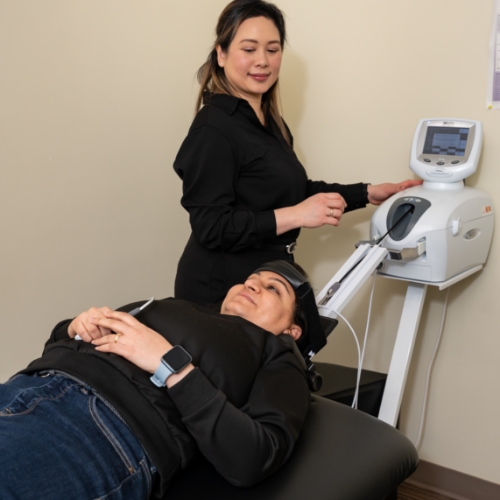
Physiotherapy at MeadowLife Physiotherapy and Active Rehab Center focuses on how the balance system responds during real life movement. Care remains one-on-one and adapts as confidence and control improve.
Approaches commonly used include:
- Vestibular assessment and retraining, which helps the brain adapt to balance signals and reduces dizziness during movement
- Specific repositioning techniques, which can reduce symptoms related to positional vertigo
- Balance and stability exercises, which improve control during standing, walking, and turning
- Gaze and eye movement training, which supports clearer vision during head movement
- Neck mobility and control work, which helps when neck stiffness contributes to symptoms
- Gradual exposure to movement, which rebuilds confidence and tolerance safely
Each approach has a clear goal and supports steadier, more reliable movement.
Common Experiences Linked to Dizziness and Vertigo
Dizziness and vertigo can feel different from person to person. Common symptoms include:
- A spinning or whirling sensation
- Lightheadedness or feeling faint
- Unsteadiness while walking
- Difficulty with quick head movements
- Nausea associated with motion
- Trouble focusing in busy environments
- Fatigue after balance tasks
- Increased caution or fear of movement
Recognising these patterns helps guide appropriate care.
Coordinated Support for Lasting Stability
Care at MeadowLife Physiotherapy and Active Rehab Center focuses on how the balance system, neck movement, vision, and walking patterns work together. Physiotherapy remains the foundation of care, with additional services integrated only when they support vestibular recovery and daily function.
Physiotherapy focuses on vestibular assessment, balance retraining, gaze stability exercises, and movement strategies that help reduce dizziness and improve walking confidence. Treatment plans adapt as symptoms settle and tolerance for movement improves.
Registered massage therapy may be included when neck or upper back muscle tension limits head movement or increases discomfort during balance exercises. Reducing this tension can help patients participate more comfortably in physiotherapy.
Acupuncture may be used to support symptom management for people experiencing nausea, motion sensitivity, or stress-related dizziness. This approach focuses on helping the body settle so balance training can progress more smoothly.
Kinesiology and active rehabilitation support the transition back to regular activity once vertigo symptoms are controlled. These sessions reinforce balance strategies, improve walking endurance, and help rebuild confidence with movement in real-life settings.
Each service supports physiotherapy goals and is introduced with a clear, condition-specific purpose.
Common Questions About Dizziness and Vertigo Care
Can dizziness improve even if it has been present for a while?
Is vertigo always related to the inner ear?
How does physiotherapy help with confidence during movement?
Care That Prioritises Time, Clarity, and Reassurance
At MeadowLife Physiotherapy and Active Rehab Center, dizziness and vertigo care prioritises understanding and reassurance. Appointments allow time for assessment, treatment, and education in one visit. Physiotherapists explain findings in plain language so patients understand what affects their balance and how care supports improvement.
People in Pitt Meadows, BC often value the clinic’s calm environment, longer appointments, and clear communication. Care focuses on practical progress, confidence with movement, and long-term balance support.
A Confident Way to Restore Your Sense of Balance
Your Next Steps…
- Request An Appointment
- Receive A Custom Treatment Plan
- Work Hard and Progress In Your Recovery
- Recover & Enjoy Life Pain-Free