Reducing Muscle Tension and Improving Movement With Dry Needling
People considering dry needling in Pitt Meadows, BC often feel held back by muscle tightness that does not ease with stretching or rest alone. Stiff areas may restrict movement, create discomfort with activity, or make exercise feel harder than it should. Some people notice symptoms during work tasks, while others feel limited during sport, lifting, or everyday movement. Many are looking for an option that helps muscles relax so movement feels smoother and more comfortable.
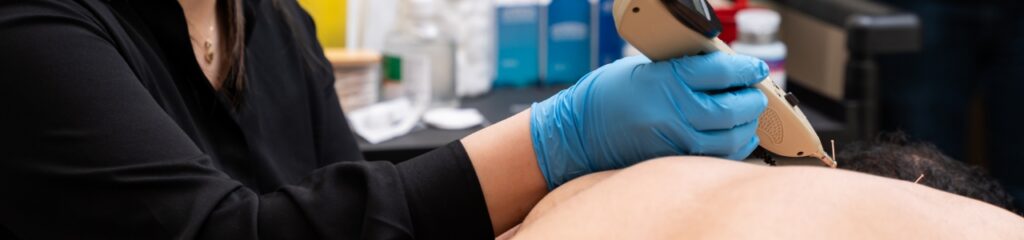
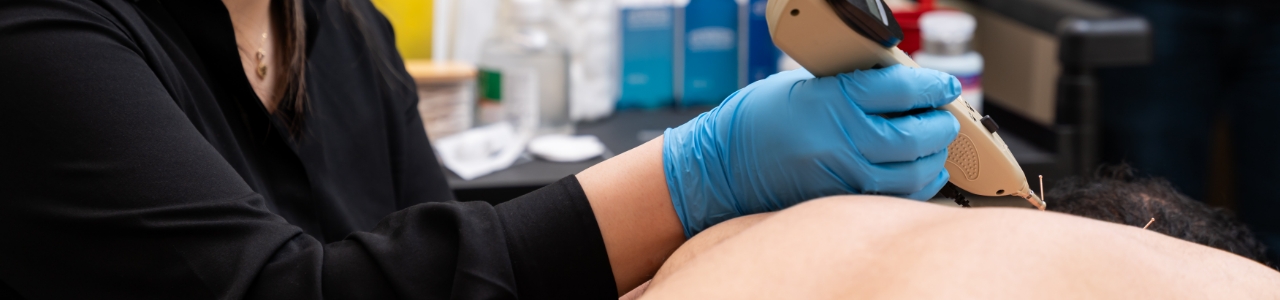
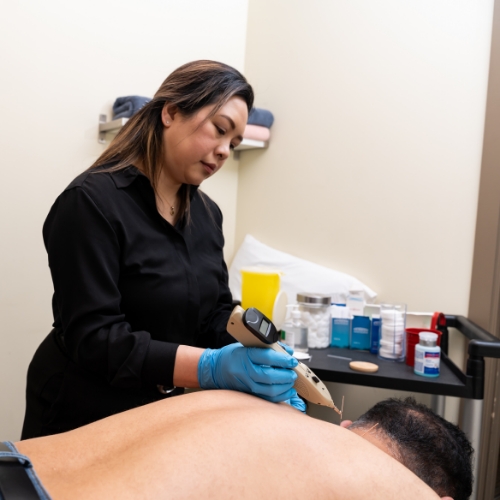
Dry needling is a technique used by trained physiotherapists to address muscle tension and sensitivity. It targets specific areas within muscles that contribute to restricted movement or discomfort. At MeadowLife Physiotherapy and Active Rehab Center, dry needling is used as part of a broader physiotherapy plan focused on restoring movement, strength, and confidence.
When Dry Needling May Be Used as Part of Care
Therapists at MeadowLife Physiotherapy and Active Rehab Center may include dry needling when muscle tension or sensitivity limits progress with active rehabilitation.
Dry needling is not used on its own. It supports movement-based care by helping muscles respond more effectively to exercise and hands-on treatment.
Dry needling may be helpful when people experience:
- Persistent muscle tightness
- Pain with movement that limits activity
- Restricted range of motion
- Muscle guarding after injury
- Difficulty progressing strengthening exercises
- Discomfort that returns quickly after activity
Use always depends on individual assessment and response to care.
Common Situations Dry Needling May Help With
Dry needling is commonly used to support recovery in situations such as:
- Neck and shoulder tension
- Back muscle tightness
- Hip or glute discomfort
- Calf or hamstring tightness
- Headaches related to muscle tension
- Sports or activity-related muscle strain
- Postural muscle overload
- Ongoing muscle soreness during rehabilitation
Treatment targets areas that affect how the body moves and functions.
How Dry Needling at MeadowLife Physiotherapy and Active Rehab Center Supports Your Recovery
Dry needling at MeadowLife Physiotherapy and Active Rehab Center is used thoughtfully as part of a complete physiotherapy plan that includes exercise, movement retraining, and education. Therapists determine whether dry needling is appropriate based on movement assessment and treatment goals.
Approaches may include:
- Targeted muscle release, which focuses on tight or overactive muscles to help reduce tension and improve movement comfort
- Trigger point dry needling, which addresses sensitive muscle areas that contribute to restricted range or discomfort, supporting easier movement
- Dry needling combined with manual therapy, which helps improve tissue response and joint mobility
- Integration with strengthening exercises, which allows muscles to activate more effectively during rehabilitation
- Activity-based progression, which supports better tolerance for work, sport, or daily movement
- Education on muscle loading, which helps patients understand how to manage tension during activity
Dry needling supports recovery best when combined with active care and clear movement guidance.
Common Questions About Dry Needling
How is dry needling different from acupuncture?
Does dry needling replace exercise or physiotherapy?
How do therapists decide if dry needling is appropriate?
Care That Prioritises Understanding and Individual Progress
At MeadowLife Physiotherapy and Active Rehab Center, dry needling is delivered within a one-on-one physiotherapy setting that values education and clarity. Therapists explain why dry needling is recommended, what it is intended to address, and how it fits into the overall plan. This approach helps patients feel informed and confident about their care.
People in Pitt Meadows, BC often value the clinic’s longer appointments, hands-on treatment, and focus on long-term movement health. Care decisions are guided by individual needs, measurable progress, and functional goals rather than short-term changes alone.
A Focused Way to Support Muscle Recovery
Your Next Steps…
- Request An Appointment
- Receive A Custom Treatment Plan
- Work Hard and Progress In Your Recovery
- Recover & Enjoy Life Pain-Free