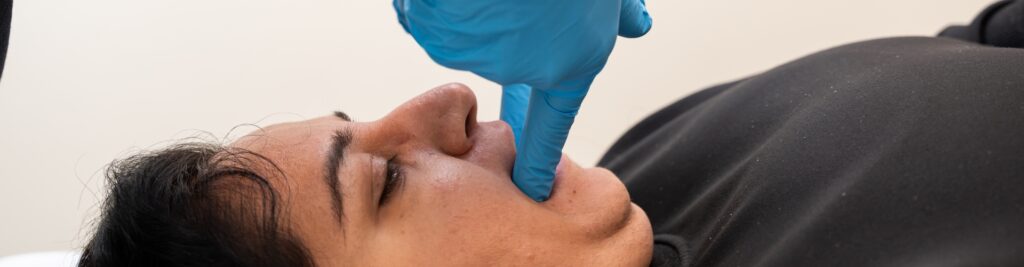
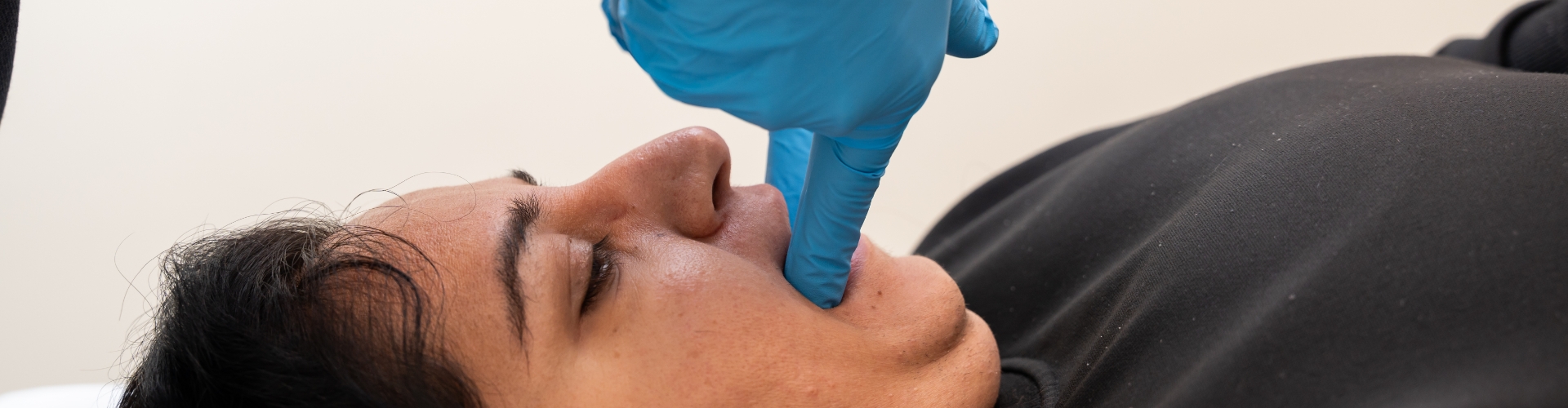
Improving Comfort and Jaw Function With TMJ Dysfunction Care
People experiencing TMJ dysfunction in Pitt Meadows, BC often notice that simple actions like chewing, yawning, or speaking become uncomfortable or unpredictable. Jaw stiffness in the morning, clicking with movement, or facial tension by the end of the day can interfere with eating, concentration, and sleep. Many people want relief that helps them use their jaw comfortably again without constantly guarding movement or avoiding everyday activities.
TMJ dysfunction involves the temporomandibular joint, the muscles that control jaw movement, and how the jaw coordinates with the neck and upper body. At MeadowLife Physiotherapy and Active Rehab Center, care focuses on understanding how these systems interact and supporting smoother, more comfortable jaw movement through personalized, one-on-one physiotherapy.
Why Early TMJ Care Supports Daily Function
The jaw is active throughout the day during eating, speaking, and breathing. When muscle coordination, joint mobility, or posture changes, strain can build quickly. Addressing TMJ dysfunction early helps prevent ongoing tension patterns and supports better movement efficiency.
Common contributors to TMJ dysfunction include:
- Jaw clenching or grinding
- Muscle tension related to stress
- Neck or upper back posture changes
- Reduced jaw mobility
- Dental or bite-related changes
- Prolonged screen or desk work
Timely physiotherapy helps restore balanced jaw movement, reduce unnecessary tension, and support comfort during daily tasks.
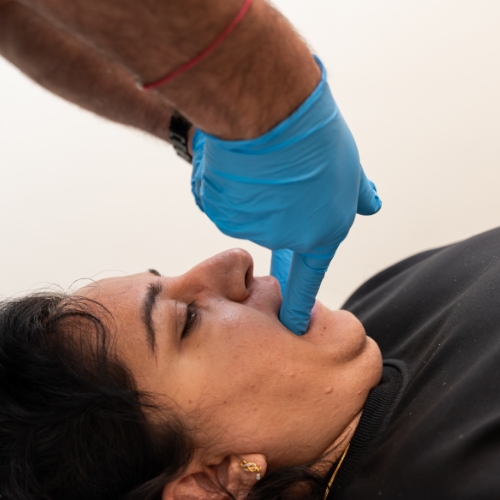
Physiotherapy Strategies That Support Jaw Comfort and Control
Physiotherapy at MeadowLife Physiotherapy and Active Rehab Center focuses on improving jaw movement, muscle coordination, and how the jaw works with the neck and upper body. Care remains one-on-one and progresses at a pace that respects comfort and daily demands.
Common physiotherapy approaches include:
- TMJ and movement assessment, which evaluates jaw motion, muscle function, and contributing neck or postural factors
- Hands-on physiotherapy techniques, which support joint mobility and reduce muscle tension around the jaw and neck
- Jaw coordination exercises, which improve control and smoothness during opening, closing, and chewing
- Postural retraining, which supports jaw function by improving head and neck alignment
- Breathing and relaxation strategies, which help reduce excessive jaw muscle activation
- Education on jaw habits, which supports long-term symptom management
Each approach focuses on improving comfort and confidence with everyday jaw use.
Common Signs Linked to TMJ Dysfunction
TMJ dysfunction can present differently depending on the structures involved. Common symptoms include:
- Jaw pain or soreness
- Clicking or popping with jaw movement
- Difficulty opening or closing the mouth fully
- Facial or temple tension
- Headaches linked to jaw use
- Jaw fatigue with chewing
- Neck or upper shoulder discomfort
- A feeling of jaw stiffness or locking
Recognising these patterns helps guide effective care.
Coordinated Care for TMJ Dysfunction
Care at MeadowLife Physiotherapy and Active Rehab Center recognises that TMJ dysfunction often involves multiple contributing factors. Physiotherapy provides the foundation of care by addressing movement, muscle control, and education.
Physiotherapy focuses on restoring comfortable jaw mechanics while addressing neck posture and movement patterns that influence jaw strain.
Registered massage therapy may support care by addressing muscle tension through the jaw, face, neck, and upper shoulders. Reducing sustained muscle tightness can improve comfort and support progress with physiotherapy exercises.
Acupuncture may be used to help manage jaw-related muscle tension, facial discomfort, or headaches associated with TMJ dysfunction. This support can help reduce symptom intensity and improve tolerance for movement.
Kinesiology and active rehabilitation may support postural endurance and upper body strength when sustained positions contribute to jaw strain, reinforcing strategies introduced during physiotherapy.
Each service contributes to improving jaw comfort, movement efficiency, and daily function.
Common Questions About TMJ Dysfunction Care
Can TMJ dysfunction improve without avoiding jaw movement?
Is TMJ pain related to neck posture?
How is TMJ care personalized at this clinic?
Care Focused on Time, Education, and Individual Needs
At MeadowLife Physiotherapy and Active Rehab Center, TMJ care prioritises understanding and clear communication. Appointments allow time for assessment, treatment, and education in one visit. Physiotherapists explain how jaw movement, posture, and muscle activity interact so patients understand how care supports improvement.
People in Pitt Meadows, BC often value the clinic’s one-on-one approach, hands-on treatment, and calm, supportive environment. Care focuses on long-term comfort, prevention of flare-ups, and confidence with daily activities.
A Practical Step Toward Easier Jaw Movement
Your Next Steps…
- Request An Appointment
- Receive A Custom Treatment Plan
- Work Hard and Progress In Your Recovery
- Recover & Enjoy Life Pain-Free