

When Pelvic Floor Symptoms Affect Daily Life
People experiencing pelvic floor dysfunction in Pitt Meadows, BC often notice changes that are difficult to talk about but hard to ignore. Symptoms may affect bladder or bowel control, comfort during movement, or participation in exercise and daily routines. Sitting, standing, lifting, or coughing can feel unpredictable. Many people want to regain confidence, control, and comfort so they can move through the day without constant planning or worry.
Pelvic floor dysfunction involves the muscles and connective tissues that support the bladder, bowel, and reproductive organs. These muscles play a key role in stability, breathing, and pressure management. At MeadowLife Physiotherapy and Active Rehab Center, care focuses on addressing pelvic floor concerns with respect, clarity, and personalized support.
Why Addressing Pelvic Floor Dysfunction Early Makes a Difference
The pelvic floor works closely with the diaphragm, abdominal muscles, and hips. When coordination or strength changes, symptoms can develop gradually. Addressing pelvic floor dysfunction early helps prevent compensation patterns and supports better function during everyday activities.
Common contributors to pelvic floor dysfunction include:
- Pregnancy and postpartum changes
- Pelvic or abdominal surgery
- Repeated straining or heavy lifting
- Chronic coughing or breathing pattern changes
- Hip or lower back movement limitations
- Prolonged periods of high stress or tension
Timely physiotherapy supports muscle coordination, pressure control, and confidence with movement, helping people stay active and comfortable.
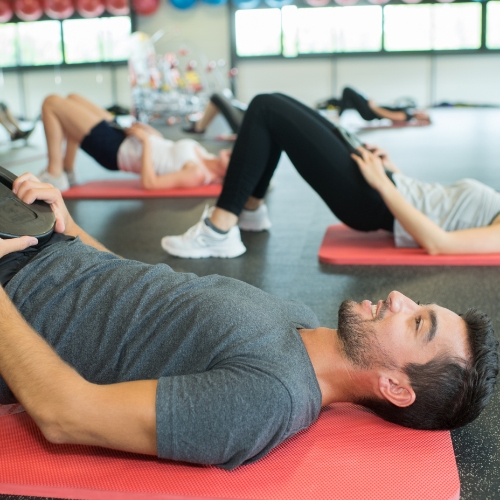
Physiotherapy Approaches That Support Pelvic Floor Health
Physiotherapy at MeadowLife Physiotherapy and Active Rehab Center focuses on restoring coordination, strength, and control of the pelvic floor and surrounding muscles. Care remains one-on-one and progresses at a pace that respects individual comfort and goals.
Approaches commonly used include:
- Pelvic floor assessment and education, which helps identify how the muscles are functioning and explains their role in daily activity
- Pelvic floor muscle retraining, which improves coordination, timing, and strength
- Breathing and pressure management strategies, which support safer movement during lifting and exercise
- Core and hip integration exercises, which improve overall stability and support pelvic floor function
- Postural and movement retraining, which helps reduce strain during daily tasks
- Activity-specific guidance, which supports return to exercise, work, or caregiving activities
Each approach focuses on improving function and confidence rather than isolated symptoms.
Common Signs Associated With Pelvic Floor Dysfunction
Pelvic floor dysfunction can present in different ways depending on the muscles involved. Common symptoms include:
- Bladder or bowel leakage
- A feeling of pelvic heaviness or pressure
- Difficulty fully emptying the bladder or bowels
- Discomfort with prolonged sitting or standing
- Pain during certain movements or activities
- Reduced core stability
- Difficulty coordinating breathing with movement
- Hesitation with exercise or lifting
Understanding these symptoms helps guide appropriate care.
Coordinated Care for Pelvic Floor Recovery
Care at MeadowLife Physiotherapy and Active Rehab Center recognises that pelvic floor dysfunction benefits from thoughtful, specialised support. Physiotherapy provides the foundation of care by addressing muscle coordination, movement strategies, and education.
Physiotherapy focuses on restoring pelvic floor control, improving core support, and integrating these changes into everyday movement. Treatment plans adapt as symptoms and confidence improve.
Registered massage therapy may support care by addressing muscle tension through the hips, lower back, or abdomen when soft tissue restrictions affect pelvic comfort or movement patterns.
Acupuncture may be used to support symptom management for individuals experiencing pelvic pain, muscle guarding, or sensitivity that limits tolerance for movement or exercise.
Kinesiology and active rehabilitation help reinforce strength, posture, and breathing strategies during functional movement and exercise, supporting long-term self-management and confidence.
Each service contributes to improving comfort, function, and participation in daily life.
Common Questions About Pelvic Floor Dysfunction Care
Can pelvic floor physiotherapy help even if symptoms have been present for a long time?
Is pelvic floor care only for people after pregnancy?
What makes pelvic floor care at this clinic different?
Care Grounded in Privacy, Education, and Individual Goals
At MeadowLife Physiotherapy and Active Rehab Center, pelvic floor care prioritises respect, clear communication, and patient comfort. Appointments allow time for assessment, treatment, and education in a supportive environment. Physiotherapists explain findings clearly so patients understand how the pelvic floor works and how care supports improvement.
People in Pitt Meadows, BC often value the clinic’s one-on-one approach, personalized plans, and focus on long-term wellbeing. Care supports confidence, independence, and sustainable movement habits.
A Supportive Way to Regain Control and Comfort
If pelvic floor symptoms are affecting your comfort, confidence, or ability to stay active, contact MeadowLife Physiotherapy and Active Rehab Center to book a physiotherapy appointment focused on personalized care, education, and practical strategies that support long-term pelvic health.
Your Next Steps…
- Request An Appointment
- Receive A Custom Treatment Plan
- Work Hard and Progress In Your Recovery
- Recover & Enjoy Life Pain-Free